Prove where your food came from.
Prove where your food came from, how it was handled and who touched it.
What you get with T57
- OriginWithout T57: Claims you cannot proveWith T57: Verified, lot by lot
- RecallsWithout T57: Slow and broadWith T57: Fast and targeted
- Market accessWithout T57: At riskWith T57: Proof on request
TodayWith T57
Finance, escrow and insurance come from licensed partners.
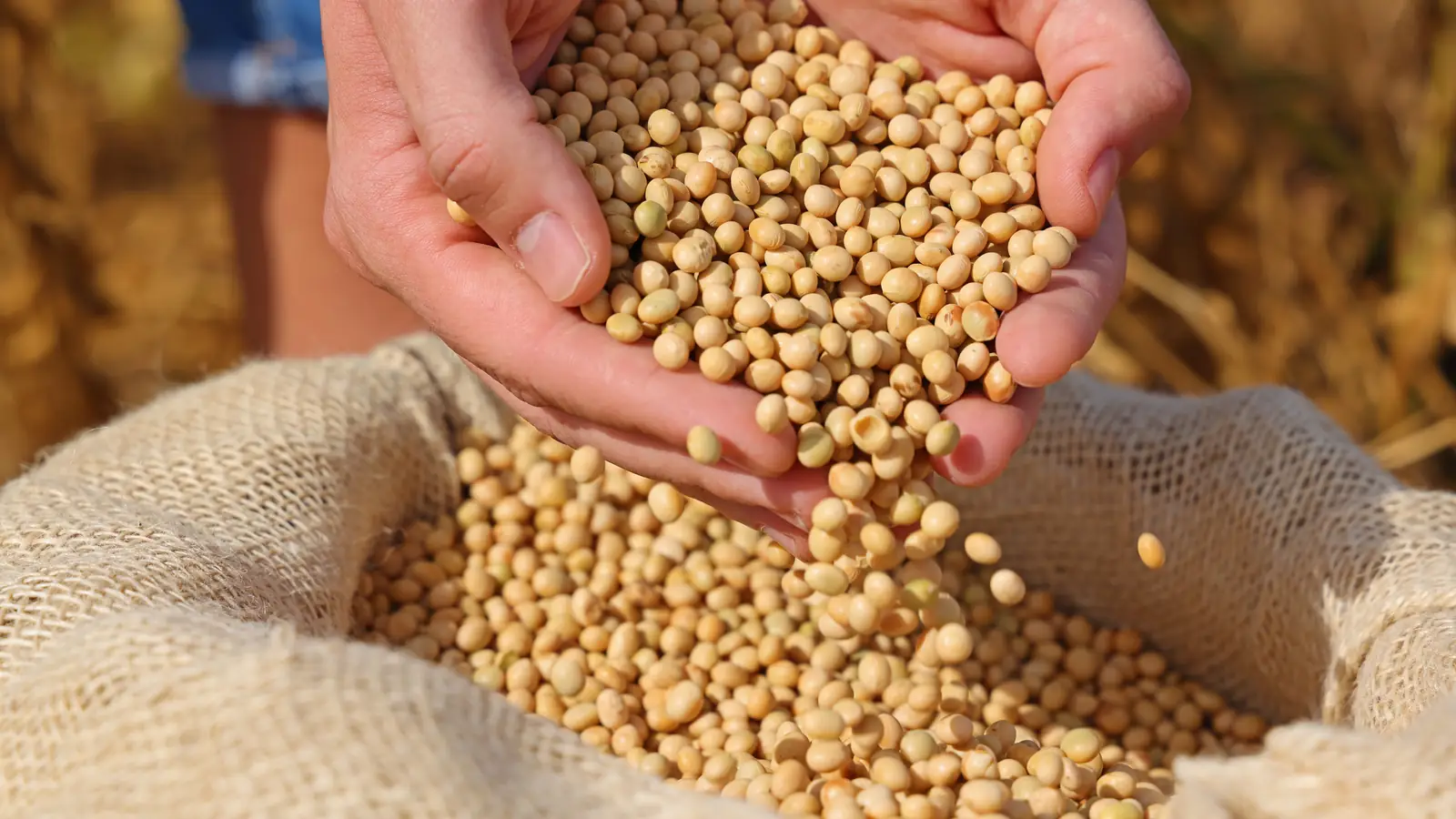
T57 solves the problem of food whose origin and journey cannot be proven, by linking every lot to its source, processing, shipment and documents on a tamper-evident record.
The problem
Origin and journey that cannot be proven
Buyers, regulators and consumers increasingly want to know exactly where food comes from: which farm or fishery, which processor, whether it is halal, organic or deforestation-free, and how it was stored and shipped. Large importers and retailers now ask suppliers for this proof as a condition of buying. Most food SMEs keep this information on paper or in separate systems, so they cannot answer quickly or convincingly, and a single food safety incident can lead to a costly, oversized recall. The key challenges T57 addresses include:
Origin claims you cannot prove
Certificates and declarations are easy to copy and hard to check.
Slow, broad recalls
Without lot-level records, a problem in one batch can force a recall of far more product.
Market access at risk
Buyers and regulators may refuse goods that lack traceability records.
How T57 works for you
Register the source → Record each step → Anchor the evidence → Share proof
- 01
Register the source
Record the farm, fishery or factory behind each lot, linked to the producer's verified T57 Passport.
- 02
Record each step
Processing, packing, storage, inspection and shipment events are added to the lot's record by the parties who handle it.
- 03
Anchor the evidence
Key events and certificates are anchored on a tamper-evident ledger.
- 04
Share proof
Give buyers, auditors and regulators access to the lot's history, or share a traceability link or QR code.
Features
7 features, one trade record
Use case · Illustrative example
Kerala seafood exporter answers a European buyer's audit in minutes
A shrimp processor in Kochi exports frozen shrimp and is asked by a European importer to prove the origin and cold-chain handling of a shipment. Because each lot on T57 is linked to its verified farm sources, processing records, temperature logs, inspection report and health certificate, the processor shares a traceability link the same day. The importer completes its audit without holding the shipment.
Why T57
We believe that trust in food starts with knowing where it came from.
Records you cannot quietly change
Anchoring key events on a tamper-evident ledger means the history of a lot can be checked by anyone with access.
AI advises, people decide
AI flags gaps and inconsistencies in a lot's records. People confirm and correct them.
FAQ
Common questions
Who adds information to a lot's record?
The parties who handle it, such as the producer, processor, inspector and logistics partner, each add the events they are responsible for.
Can consumers see traceability information?
Yes, if the brand or seller chooses to share it through a link or QR code. Commercial details stay private.
Does traceability on T57 replace certification?
No. Certificates are still issued by accredited bodies. T57 links them to the lots they cover and makes them easy to check.
More in Capabilities
Every capability, one trade record
04
Financing & Capital
- Trade & Supply Chain Finance
- Shariah-Compliant FinanceComing soon
- Asset-Based Fundraising & Tokenization