Small, local AI, trained on verified trade.
The AI layer that learns from verified trade and supports every decision on T57.
What the platform changes
- DataWithout T57: Unverified listingsWith T57: Verified trades and consented knowledge
- ModelsWithout T57: One global modelWith T57: Small models per region and crop
- DecisionsWithout T57: Black boxesWith T57: Reasons, confidence and human review
TodayWith T57
Finance, escrow and insurance come from licensed partners.
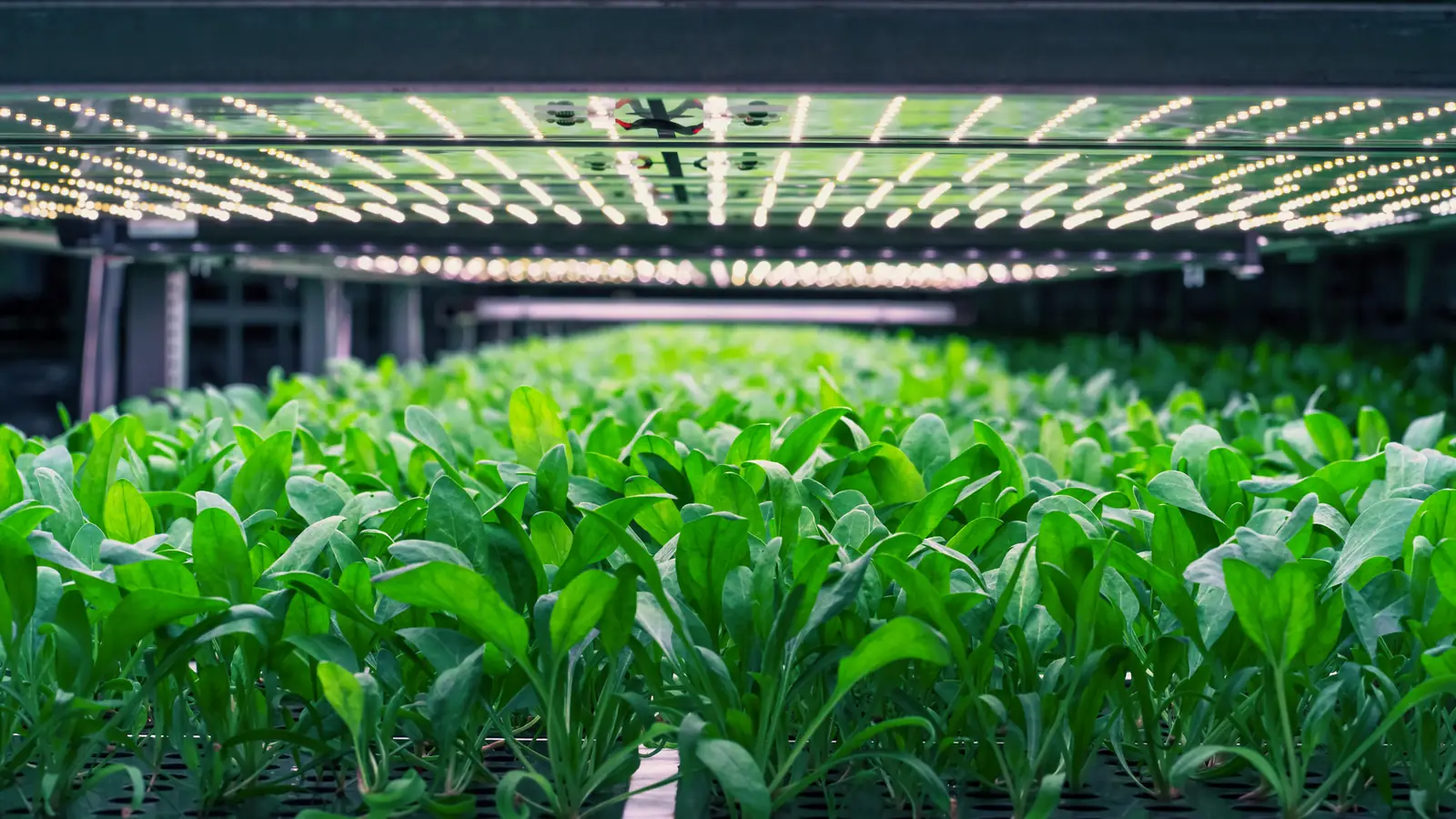
T57's intelligence layer solves the problem of AI built on unreliable data, by training small, local models on verified trade records and consented local knowledge, and governing them so people stay in charge.
The problem
AI is only as good as its data
AI is only as good as its data. Most food trade data is incomplete, unverified or locked in private systems, and general-purpose AI models know little about local crops, grades, markets or languages. AI used for decisions about credit, compliance or market access must also be explainable and fair, or it does more harm than good. The key challenges T57 addresses include:
Unreliable data
Unverified listings and scattered records produce unreliable AI.
One-size-fits-all models
Global models miss local conditions, products and languages.
Unaccountable decisions
Black-box AI cannot be trusted with decisions that affect livelihoods.
How the intelligence layer works
Verified data in → Small, local models → Services out → Governance throughout
- 01Verified data in
- 02Small, local models
- 03Services out
- 04Governance throughout
- 01
Verified data in
Models learn from verified trade records, public and licensed market data, and farmer knowledge recorded with consent.
- 02
Small, local models
A family of models for each region, crop and value chain, plus language models with Arabic and local-language knowledge.
- 03
Services out
Models power matching, pricing, forecasting, risk, compliance, negotiation support, ordering and documents across the platform.
- 04
Governance throughout
Models are documented, tested and monitored. Outputs carry confidence levels, and people review every adverse decision.
Components
7 parts, one platform
Data foundation
Verified trade records, market data and consented local knowledge. For model quality, this means reliable inputs.
Model library
Small, local models for each region and crop, and shared models for documents and language. For members, this means AI that understands their market.
AI services
Matching, price index, forecasting, risk scoring, compliance, negotiation support, ordering and document generation. For every member, this means expert help at each step.
Explanations and confidence
Every output shows its reasons and confidence. For members and regulators, this means AI they can question.
Human review workflow
Adverse decisions go to trained reviewers, with a stated reason and a route to contest. For members, this means fairness.
Model monitoring
Continuous checks for accuracy, drift and bias. For everyone, this means AI that stays reliable over time.
Privacy controls
Individual data is never exposed to other members, and institutional views use aggregated, permissioned data. For members, this protects confidentiality.
Use case · Illustrative example
A forecasting model learns a new crop in Malaysia
T57 adds durian to its Malaysian models as exports grow. Verified trades on the platform, public price data and growers' recorded observations about flowering and weather, shared with consent, train a small local forecasting model. It is tested against past seasons before release, each forecast shows its confidence, and growers and buyers use it to plan harvests and shipments.
Why T57
We believe that AI in food trade must be useful, local and accountable.
FAQ
Common questions
Does T57 use my data to train AI?
T57 uses verified trade data in anonymized, aggregated form to improve its models. Your individual data is never shown to other members, and farmer knowledge is used only with consent.
Why not just use a large general AI model?
Large models are useful for language and documents, and T57 uses them where they fit. For crops, markets and local conditions, small models trained on local data are more accurate, cheaper to run and easier to test and explain.
Can I challenge an AI decision?
Yes. Every adverse decision comes with a reason and a route to contest it, and a person reviews it.
More in Platform