From the lab to the farm.
T57 works with agricultural universities and research institutes to bring their research to farmers and food SMEs, and to turn it into income for the scientists behind it.
What changes with T57
- ResearchWithout T57: Stays in journalsWith T57: Reaches farmers in their language
- ScientistsWithout T57: Little reward for adoptionWith T57: Royalties when it is used
- InventionsWithout T57: Used in one regionWith T57: Offered to SMEs worldwide
TodayWith T57
Partners keep ownership of their research and data.
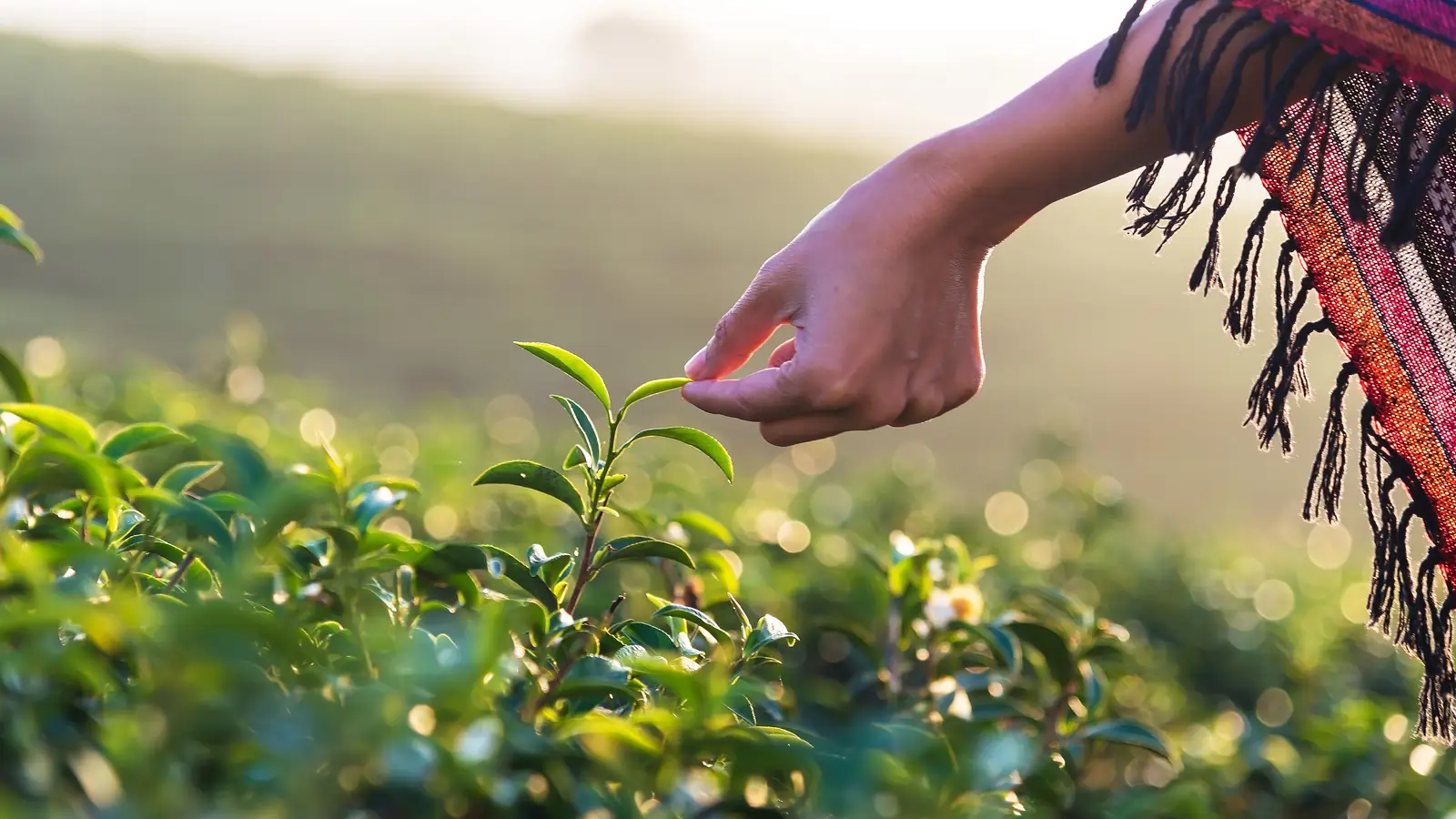
The T57 research program links agricultural science to the farmers, processors and traders already working on T57, so new varieties, practices and low-cost technologies are adopted, measured and rewarded.
The problem
Research that never reaches the field
Universities and research institutes develop better seeds, breeds, practices and machines every year. Too little of it reaches the small farms and food SMEs that produce most of the world's food. Extension services are thin, results are published in forms farmers cannot use, and scientists see little reward when their work is adopted. Meanwhile, 13.3% of food is lost between harvest and retail (FAO, 2023), often for want of simple, affordable technology. The key challenges T57 addresses include:
Hard to reach farmers
Findings stay in papers and stations, far from the people who could use them.
Weak commercialization
Few research results are licensed, sold or scaled, so good inventions stay local.
No proof of impact
Institutions struggle to show how their research changed yields, losses or incomes.
How the program works
Translate → Pilot → Scale → Reward
- 01
Translate
Partner research is turned into simple advice in each farmer's language, inside the T57 app, and helps train T57's local AI models.
- 02
Pilot
New varieties, practices and machines are tested on volunteer member farms and processing units, with results recorded on T57.
- 03
Scale
What works is offered to members across T57's markets, through contract farming, Equipment & Technology Rental and Hire an Expert.
- 04
Reward
Licenses and royalties flow back to the institution and its scientists as their work is used, with adoption reported to them.
What partners do with T57
Six ways research reaches the food chain
Our research partners
Working with agricultural science in Asia
T57 has signed memoranda of understanding with MNS University of Agriculture, Multan, in Pakistan and with an agricultural research partner in Kazakhstan. It is in discussions with Kerala Agricultural University in India. Universities and research institutes in any country can apply.
Use case · Illustrative example
A drought-tolerant wheat variety reaches 2,000 farms
A partner institute has bred a drought-tolerant wheat variety. Its agronomists turn the growing guide into short voice notes in Kazakh and Russian, and T57's crop advice learns the variety's needs. Forty member farms pilot it in the first season and record yields on T57. Seed partners then supply it through contract farming, and flour mills search listings for it by name. By the third season it is grown on 2,000 farms, and the institute receives royalties and a yearly adoption report.
Why T57
We believe that the best research should feed people, not sit on a shelf.
The market is already here
Farmers, processors and traders are already on T57, so a proven result can be adopted and sold in the same place.
Partners keep what they own
Institutions keep ownership of their research, data and inventions. T57 uses them only under agreed terms, with credit.
FAQ
Common questions
Who owns the research and data?
The partner institution. T57 uses research and data only under the terms agreed with each partner, and credits the source.
How are scientists paid?
Through license fees and royalties agreed up front, and through paid advice on Hire an Expert.
Can start-ups from a university join?
Yes. Start-ups can list their technology for rent or sale, and offer services, to T57 members.
Which institutions can apply?
Agricultural universities, research institutes, academies and their start-ups, in any country.
Partnerships, About and Contact
More about T57
01
Partnerships
02