Agree next season's crop, today.
Agree next season's crop today, with buyers, growers and finance on one record.
What you get with T57
- GrowersWithout T57: No guaranteed marketWith T57: A buyer before planting
- BuyersWithout T57: Unreliable supplyWith T57: Supply locked in by contract
- SeasonWithout T57: No finance for inputsWith T57: Input finance against the contract
TodayWith T57
Finance, escrow and insurance come from licensed partners.
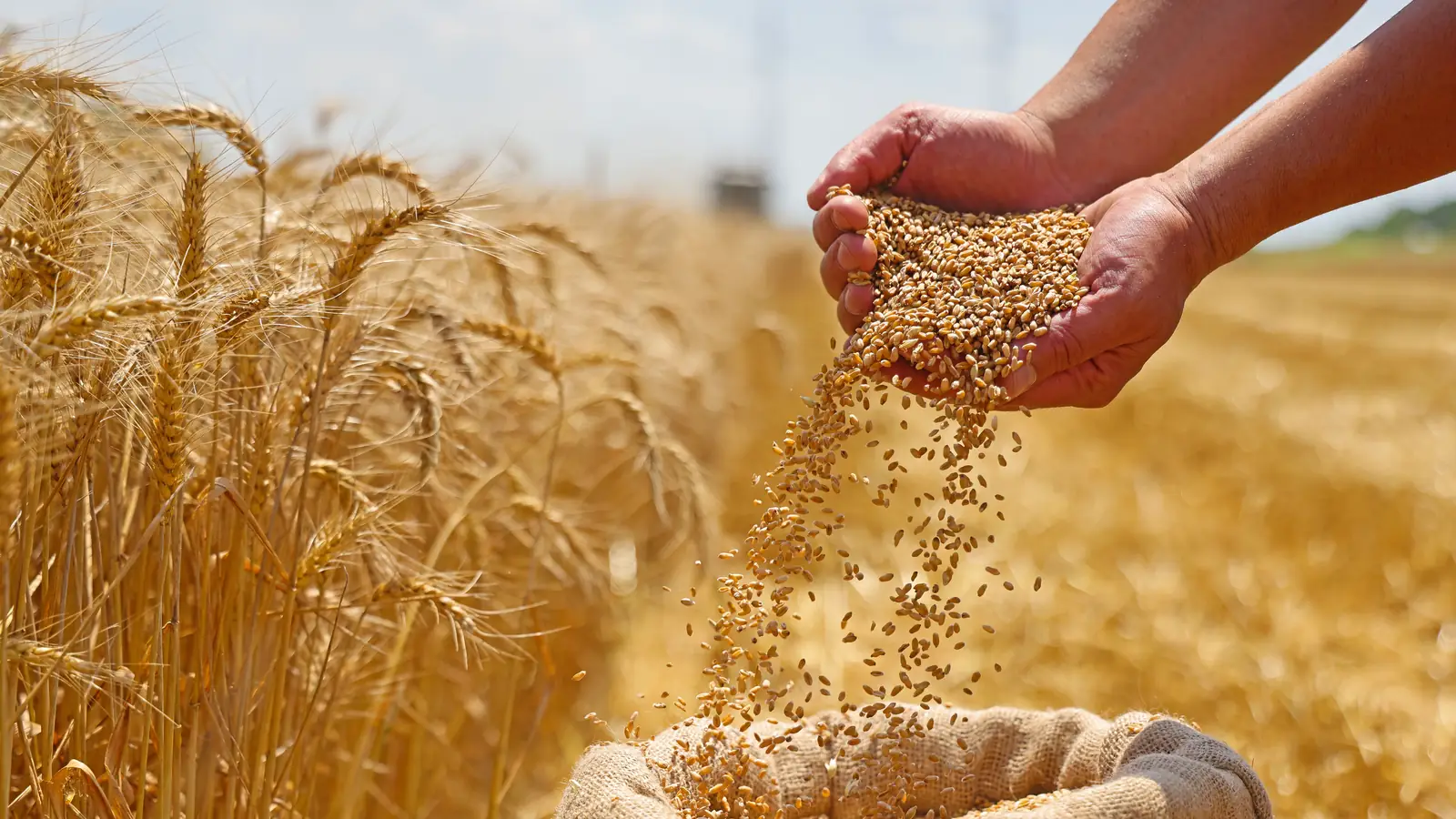
T57 solves the uncertainty that keeps farmers from planning and buyers from securing supply, by putting forward agreements, quality standards and crop finance on one verified record.
The problem
Growers plant blind, buyers hope for supply
Small farms produce around a third of the world's food (FAO, 2021), yet most smallholders plant without knowing who will buy their crop or at what price. Buyers, from processors to supermarket chains, struggle to secure steady volumes of the right quality. Informal forward deals break down when prices move, and lenders rarely finance a crop that has no confirmed buyer. The key challenges T57 addresses include:
No guaranteed market
Farmers take all the price and sales risk, which discourages investment in quality and yield.
Unreliable supply
Processors and retailers cannot count on consistent volumes, grades or delivery dates.
No finance for the season
Without a confirmed buyer, growers cannot borrow for seeds, fertilizer and labor.
How T57 works for you
Set the plan → Agree with growers → Fund and support → Harvest and settle
- 01
Set the plan
The buyer sets crop, variety, volume, quality standards, price or price formula and delivery schedule.
- 02
Agree with growers
Verified farmers, cooperatives and producer organizations accept the plan, and the forward contract is generated on T57.
- 03
Fund and support
Growers can request input finance from licensed lenders against the contract, and buyers can supply inputs or advice through partners.
- 04
Harvest and settle
Deliveries are inspected and recorded against the contract, and payment is released on agreed milestones.
Features
11 features, one trade record
Use case · Illustrative example
Maharashtra onion cooperative secures a Gulf buyer for the season
A farmer producer organization in Nashik, Maharashtra, agrees a seasonal contract on T57 with a verified Dubai importer for export-grade onions, with a minimum price and delivery schedule. Using the contract as evidence, the cooperative obtains input finance from a licensed lender for its members. Growth checks are logged during the season. At harvest, an inspection partner confirms grade at the packhouse, and payment for each shipment is released through escrow when it is accepted.
Why T57
We believe that the people who grow food should be able to plan, invest and get paid fairly.
Fair for both sides
Terms, quality checks and payments are recorded on one record that farmers and buyers can both see.
AI advises, people decide
AI forecasts yields and flags risks. Farmers and buyers decide, and any adverse decision about a member is reviewed by a person.
FAQ
Common questions
Can individual smallholders use contract farming on T57?
Yes, usually through a cooperative or producer organization that holds the T57 membership and signs on behalf of its members.
What happens if prices change during the season?
It depends on the contract. Fixed-price, minimum-price and formula-based agreements each handle price movements differently, and the terms are agreed upfront.
Does T57 provide the inputs or finance?
No. Inputs come from buyers or partners, and finance comes from licensed lenders. T57 provides the contract, records and workflow.
More in Capabilities
Every capability, one trade record
04
Financing & Capital
- Trade & Supply Chain Finance
- Shariah-Compliant FinanceComing soon
- Asset-Based Fundraising & Tokenization