Where your food is. What state it is in.
Know where your food is, what condition it is in and when it will arrive.
What you get with T57
- LocationWithout T57: Separate carrier portalsWith T57: One live view
- ProblemsWithout T57: Found on arrivalWith T57: Alerts in transit
- EvidenceWithout T57: WeakWith T57: Tamper-evident log
TodayWith T57
Finance, escrow and insurance come from licensed partners.
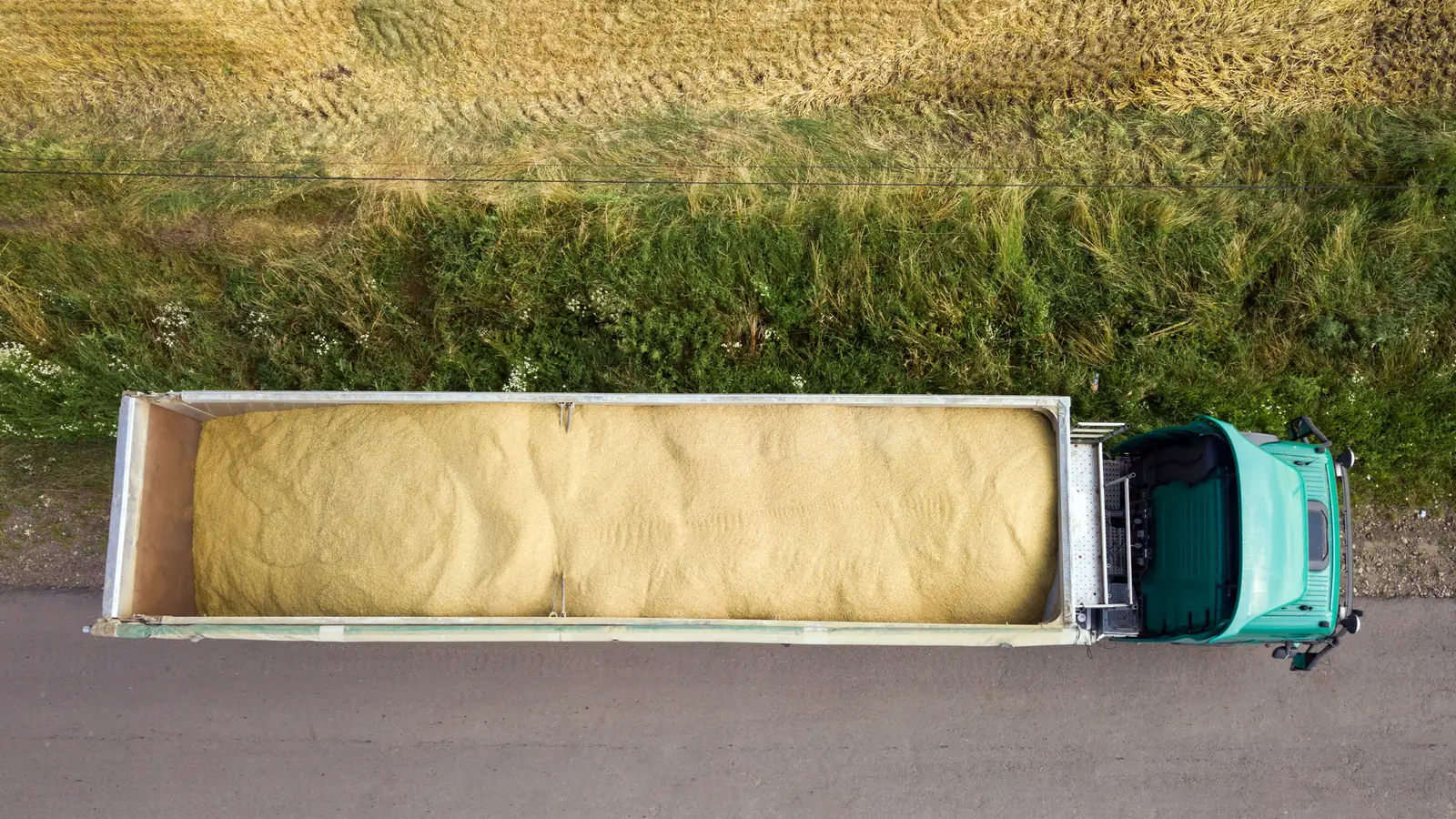
T57 solves the blind spots between shipment and delivery, by bringing location, milestones and temperature data for every shipment onto one trade record that buyer, seller, lender and insurer can all see.
The problem
Blind spots between shipment and delivery
Once food leaves the warehouse, most businesses lose sight of it. Updates come by email from forwarders, carrier websites show different information, and temperature problems are discovered only when a container is opened. Buyers cannot plan, sellers cannot reassure them, and lenders and insurers have no independent evidence of what happened. The key challenges T57 addresses include:
No single view
Tracking information is spread across carriers, forwarders and ports.
Late discovery of problems
Delays and temperature breaches are found too late to act.
Weak evidence
Without recorded data, claims and disputes are hard to settle.
How T57 works for you
Connect the shipment → Follow it live → Monitor condition → Act on alerts
- 01
Connect the shipment
Booking references, container numbers and tracking devices are linked to the trade record.
- 02
Follow it live
See location, estimated arrival and milestones such as loading, departure, transshipment and arrival.
- 03
Monitor condition
For reefer cargo, temperature and humidity readings stream to the record.
- 04
Act on alerts
Delays, route changes and temperature breaches trigger alerts to the right people, and milestones can trigger payments.
Features
9 features, one trade record
Use case · Illustrative example
Chittagong importer spots a reefer fault before it spoils a shipment
A Chittagong importer is bringing frozen chicken from a verified Brazilian processor. During transshipment, T57 alerts the importer and the processor that the container's temperature is rising. The forwarder is notified on the same record and has the reefer unit repaired at the port within hours. The cargo arrives in good condition, and the temperature log shows the buyer and insurer exactly what happened.
Why T57
We believe that everyone with a stake in a shipment deserves the same, reliable picture.
One version of events
Tracking data sits on the same record as the contract, documents and payments.
AI advises, people decide
AI predicts arrival times and flags risks. People decide how to respond.
FAQ
Common questions
Do I need special tracking devices?
No. T57 uses carrier and port data for all shipments. IoT devices add live temperature and location for sensitive cargo.
Who can see my shipment?
Only the parties to the trade and the partners you authorize, such as your lender or insurer.
Can tracking trigger payment?
Yes. Agreed milestones, such as arrival or delivery confirmation, can release escrow payments automatically.
More in Capabilities
Every capability, one trade record
04
Financing & Capital
- Trade & Supply Chain Finance
- Shariah-Compliant FinanceComing soon
- Asset-Based Fundraising & Tokenization